Modular Bathrooms Built for Tiny Homes, RVs, and ADUs

Step into a compact sanctuary where comfort meets clever engineering. We dive into modular bathroom solutions for tiny homes, RVs, and ADUs, unpacking layout strategies, water and power planning, component choices, installation paths, and real-world care tips. Expect practical insights, cheerful creativity, and field-tested anecdotes you can trust. Share your challenges, subscribe for updates, and tell us what layout puzzle you want solved next.

Designing Every Inch to Work Twice as Hard

Great small bathrooms begin with empathy for movement, reach, and routine. By mapping daily habits like showering, brushing, and gear storage, you’ll reveal micro-zones that stack, slide, and transform. We’ll explore door swings, drain locations, elbow room, and the subtle choreography that prevents bumping, dripping, and clutter fatigue in tiny homes, rolling RVs, and compact backyard ADUs.

Smart Footprints That Flow

Start by tracing the natural path of entry, turning, and exit, then place fixtures to support that flow, not fight it. Pocket and barn doors free precious inches, while corner sinks reclaim traffic lanes. Wet-room concepts eliminate thresholds and simplify cleaning. Sketch multiple footprints on painter’s tape, time your tasks, and choose the layout that reduces awkward pivots and unnecessary steps.

Vertical Thinking With Foldaway Magic

When floor space disappears, walls become heroes. Flip-down benches, slide-out vanities, and ceiling-slung drying racks multiply function without bloating the footprint. Magnetic panels stash grooming tools upright, and integrated niches tame bottles. Remember maintenance: reserve fingertip access to valves and filters. One couple saved six inches by mounting the mirror cabinet on a French cleat, freeing swift service access.

Light, Air, and Privacy Without Compromise

Compact does not mean cave-like. A transom window or solar vent fan keeps steam moving and finishes safe. Frosted polycarbonate lends privacy yet spreads daylight, while acoustic seals hush nighttime trips. Use warm LED strips along kickplates to navigate quietly. Friends report fewer slips after adding motion lighting and a rain-sensing vent that ramps up before fogging starts.

Water, Power, and Heat: The Quiet Infrastructure

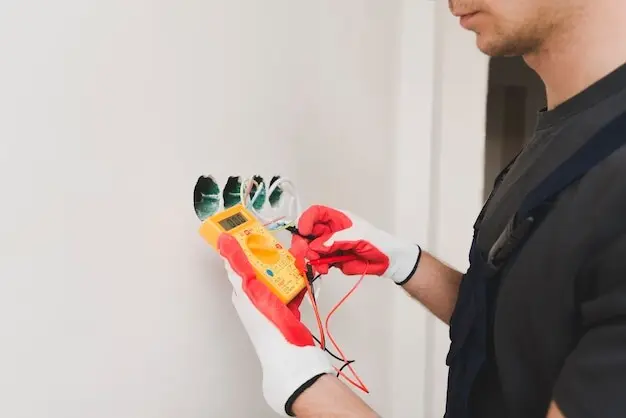
What you don’t see matters most in small, mobile, or detached dwellings. Thoughtful plumbing runs, leak detection, and balanced energy loads keep mornings smooth and repairs inexpensive. We’ll connect dots between tank size, fixture flow, heater output, and battery or shore power. Expect practical formulas, protective shutoffs, and tips for clean, efficient operation in motion or in place.

Pick the Right Modules, From Shower Pods to Toilets

Curate components like a capsule wardrobe: fewer pieces, greater versatility. Pre-fab shower pods speed installs and control leaks, while cassette, composting, or macerating toilets match different mobility and code realities. Slim sinks, fold-down vanities, and waterproof storage cubes finish the puzzle. We’ll compare tradeoffs, noise, maintenance, and smell control, so choices align with travel, hookups, and lifestyle.

Wet Baths and Shower Capsules

A full wet bath merges shower and toilet into a single sealed envelope, perfect for micro footprints and quick cleanups. One-piece fiberglass capsules minimize seams, while flexible membranes let you custom tile. Add a trench drain for swift drying and a squeegee nook. A renter praised daily convenience after swapping curtains for sliding doors with soft seals and anti-rattle clips.

Toilet Choices That Suit Mobility and Code

Cassette units simplify dump stops, composting models reduce water use and tank stress, and macerators open creative layouts by pumping uphill. Each brings routines: vent fans for composters, service doors for cassettes, and robust clog discipline for macerators. In tiny homes on wheels, owners loved composters’ independence; in ADUs, standard low-flow units streamlined permits and inspections while keeping maintenance familiar.

Sinks, Vanities, and Storage Cubes

Wall-mounted corner sinks unjam aisles, and flip-down vanities appear only when needed. Shallow drawers with full-extension slides prevent forgotten clutter. Waterproof cubes double as shower seats and laundry bins. Choose materials that forgive splashes—compact laminate, sealed bamboo, or marine-grade ply. A maker carved hidden niches behind a magnetic mirror, storing razors, floss, and a travel dryer in perfect peace.

Installations Across Tiny Homes, RVs, and ADUs

Different habitats, different constraints. A house on wheels flexes and vibrates, RVs demand serviceability on the road, and ADUs answer to building inspectors and long-term tenants. We’ll chart anchor strategies, panel access, code shortcuts that are actually compliant, and hookup nuances. Use these notes to schedule work smartly, avoid rework, and finish faster with fewer weekend surprises.

Moisture Defense and Ventilation Discipline

Run the fan before the shower, not after the fog arrives, and keep it going until surfaces feel room-warm. Squeegee walls, then crack a transom for a pressure path. A silicone edge bead around fixtures stops wicking. One traveler cured stubborn mildew by adding a timer switch and replacing a tired fan with a quiet, efficient unit drawing real air.

Seasonal Prep, Winterization, and Off-Grid Safeguards

Before frost, drain lines, bypass the heater, and push RV antifreeze through traps if you roam. In humid summers, open storage cubes to breathe and swap desiccant packs. Off-grid, guard batteries from deep discharge and check propane regulators. A tiny-home family avoided a burst fitting by cushioning PEX against cold steel framing and adding heat tape on vulnerable runs.

DIY Versus Pro: Budget and Liability

Sweat equity shines on demolition, painting, and fixture swaps, while pros earn their keep on waterproofing, venting, and code paperwork. Ask for fixed bids with scope drawings, and photograph each rough-in. One reader saved money by hiring pros only for membrane work, then finishing trim slowly and beautifully. Balance pride with prudence; hidden leaks cost more than a day’s labor.

Phased Upgrades That Minimize Downtime

Sequence projects to keep a working toilet and sink, tackling the shower last. Pre-assemble valve blocks and test modules on sawhorses. In an RV, schedule shop days around parts arrivals, not hope. A couple lived comfortably through upgrades by using a gym for showers a single week, then celebrating with a steamy, efficient rinse in their new capsule sanctuary.

Resale, Insurance, and Inspection Confidence

Neat plumbing runs, labeled shutoffs, and accessible panels impress buyers and inspectors alike. Keep manuals and receipts in a slim binder. Insurance underwriters appreciate listed components and photos showing proper venting and traps. An ADU landlord attracted respectful tenants with a bright, low-maintenance bath that photographed beautifully. Documentation turns a small room into a big promise of dependable living.

Naridariniloviro
Privacy Overview

This website uses cookies so that we can provide you with the best user experience possible. Cookie information is stored in your browser and performs functions such as recognising you when you return to our website and helping our team to understand which sections of the website you find most interesting and useful.